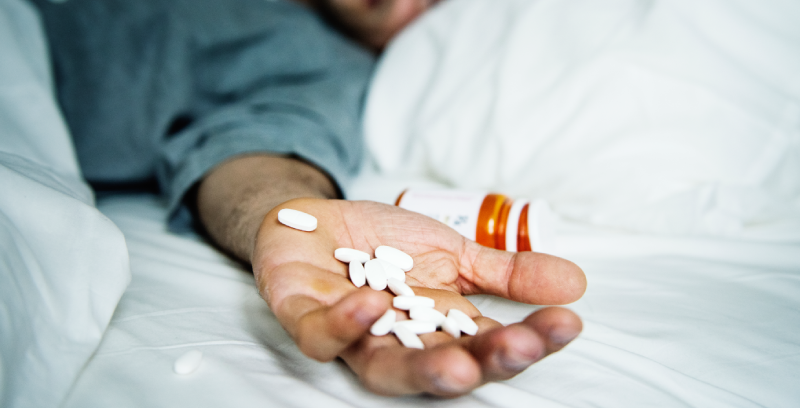
Drug addiction is a disorder that affects the brain and behavior, making it difficult for a person to stop using drugs despite the harmful health, psychological, and social consequences. With continued use, the body and brain become dependent on the substance, increasing the need for it and making it more challenging to quit without professional support.
Why Is Drug Addiction Treatment Important?
Drug addiction can have serious effects on both physical and mental health, and it may negatively impact family relationships, professional life, and social well-being. Early treatment helps reduce these complications, improve quality of life, and restore the ability to carry out daily activities normally.
Key benefits of treatment include:
Eliminating physical dependence on drugs.
Reducing the risk of drug-related health complications.
Improving mental health and emotional stability.
Who Is a Candidate for Treatment?
A drug addiction treatment program may be suitable for individuals who:
Have difficulty stopping drug use.
Experience withdrawal symptoms when attempting to quit.
Have experienced negative effects on their personal or professional lives due to drug use.
Have previously attempted to quit without success.
Wish to begin their recovery journey under professional supervision.
The program covers addiction to a wide range of substances, based on a medical assessment and an individualized treatment plan tailored to each patient’s needs.
How Do We Implement Drug Addiction Treatment?
Initial Medical Assessment
The treatment journey begins with a comprehensive evaluation of the patient’s physical and psychological health, as well as their history of substance use. This assessment helps determine treatment needs and develop a personalized treatment plan.
Treatment starts with the removal of drug substances from the body under specialized medical supervision. Appropriate care and support are provided throughout the withdrawal phase to ensure the patient’s comfort and safety.
Medical Evaluation and Readiness Assessment
After detoxification is completed, medical examinations and laboratory tests are conducted to confirm that the blood and neural receptors are completely free from any remaining traces of narcotic substances. This is considered an essential requirement for the safety and effectiveness of the next stage of treatment.
Implant Procedure in Kazakhstan
The program continues at the Russian rehabilitation facility in Kazakhstan, where the immunization protocol and therapeutic implant procedure are administered as part of a comprehensive treatment plan aimed at supporting recovery and promoting long-term stability.
Frequently Asked Questions About Drug Addiction Treatment
It is not recommended to attempt to stop using drugs without medical supervision, as the withdrawal phase may involve physical and psychological symptoms that require specialized monitoring and care to ensure the patient’s safety and well-being.
Detoxification is the first stage of treatment, during which the body is cleared of drug substances under specialized medical supervision. Appropriate medication protocols may be used to help alleviate withdrawal symptoms, while continuous monitoring ensures the patient’s safety and stability throughout the treatment process.